

A Premium Labeling Solution That Infuses Products with a Three-Dimensional Soul
In the field of product identification and decoration, silicone raised screen-printed transfer labels stand out with their unique advantages, becoming the preferred choice for many industries. Below is a comprehensive and detailed analysis from HMJ four dimensions: core benefits, application areas, process parameters, and selection recommendations.
I. Core Benefits: Multi-Dimensional Advantages
Silicone raised screen-printed transfer labels have gained widespread popularity due to their excellent balance of aesthetics, durability, safety, and production efficiency. The specific advantages are as follows:
Three-Dimensional Beauty and Comfortable Texture
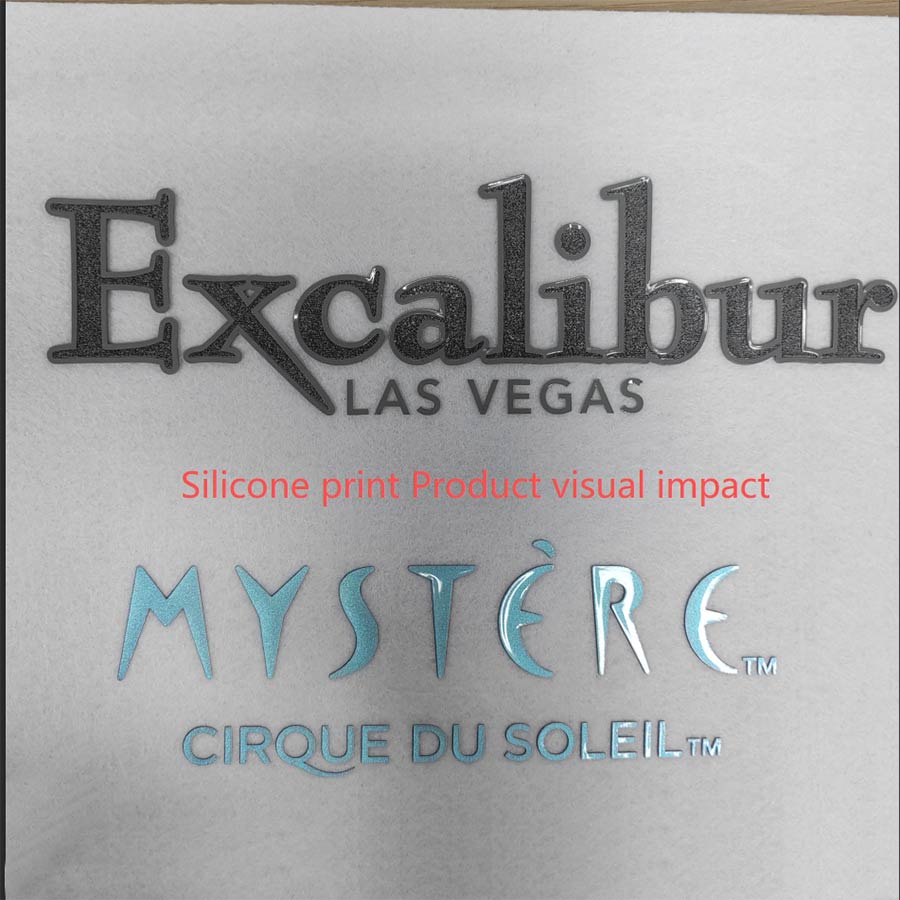
Outstanding Visual Effects: This process creates a distinct 3D embossed effect, enriching logos or patterns with clear boundaries and vibrant colors, easily attracting attention and enhancing the product’s visual appeal.
Soft and Smooth Touch: The transferred patterns feel soft and smooth, avoiding any rough or uncomfortable sensations, providing users with a pleasant wearing or usage experience.
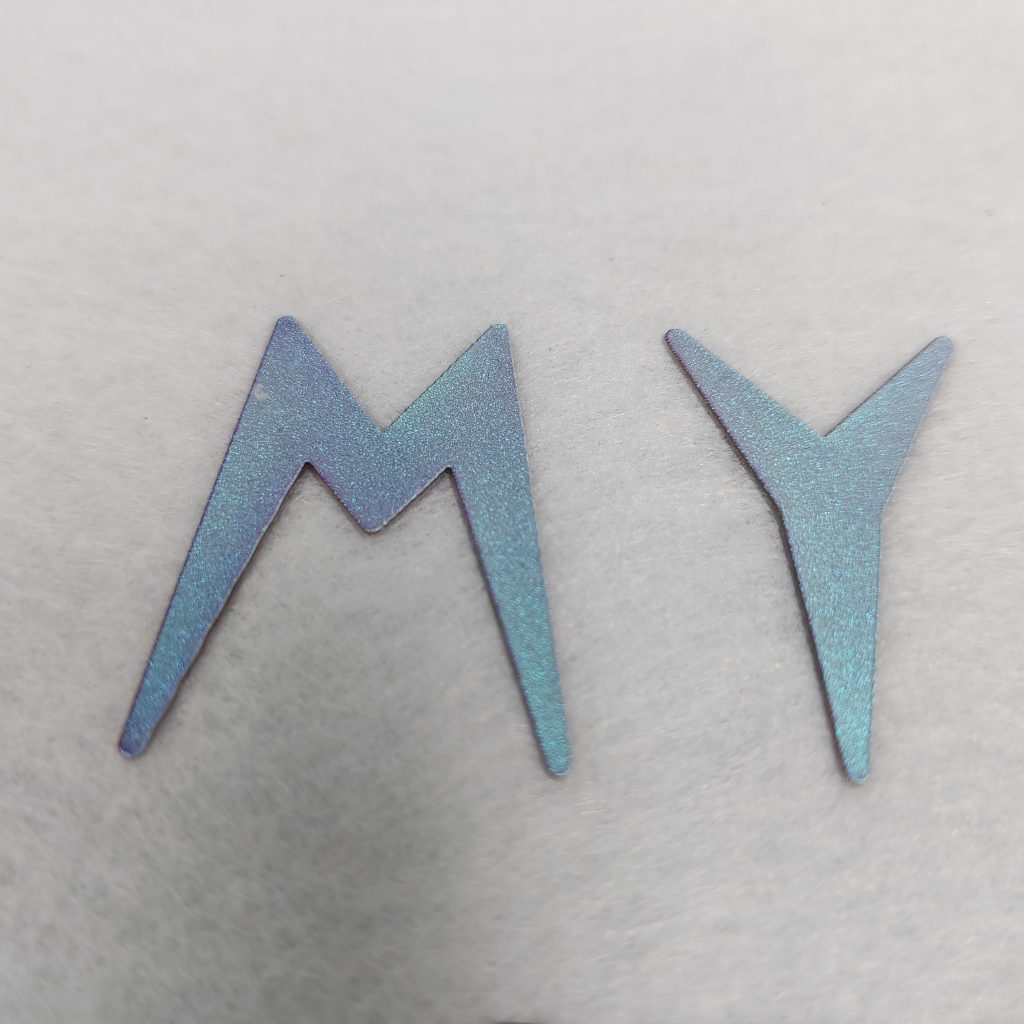
High Customizability: With a thickness of up to 5mm and options for glossy or matte finishes, it can be flexibly adjusted to match product design styles, meeting diverse aesthetic needs.
.Exceptional Durability
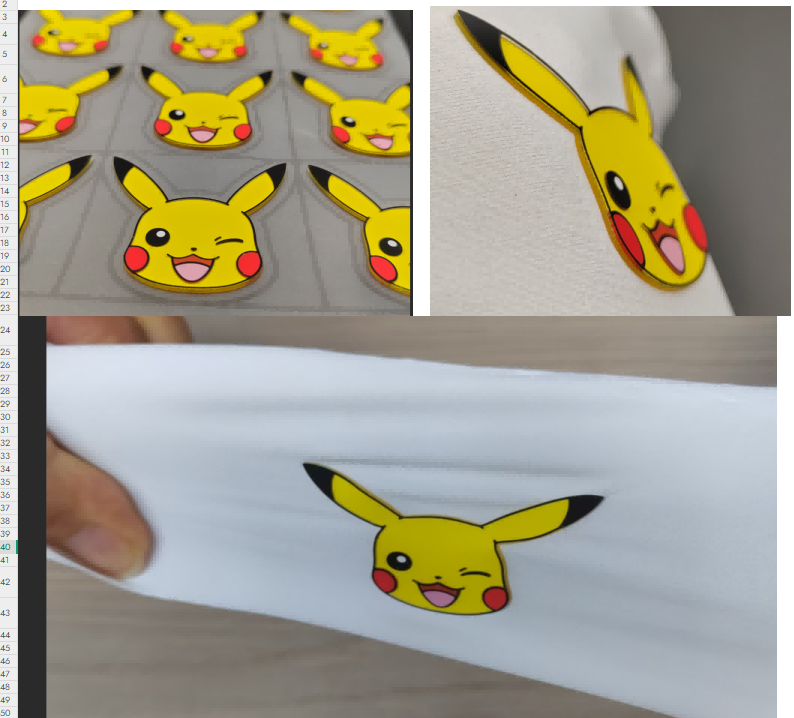
High Elasticity Adaptability: The silicone material’s inherent elasticity allows the transfer labels to perfectly adapt to stretchable fabrics (e.g., knitted or woven fabrics), resisting cracking even after repeated stretching and maintaining label integrity.
Strong Adhesion and Wear Resistance: The labels bond tightly to fabrics with excellent adhesion, resisting wear and enduring high-temperature washing (e.g., daily laundry or industrial washing), ensuring long-term use without peeling or fading, thereby extending the label’s lifespan.
Safety and Eco-Friendliness
Non-Toxic Materials: Silicone transfer labels are typically made from eco-friendly, odorless silicone materials, free from irritating smells and harmless to human skin.
International Certifications: Premium products often carry certifications like Oeko-Tex Standard 100 Class 1 (for infant textile safety) , ensuring safe skin contact—ideal for children’s
wear, underwear, and infant clothing with high safety requirements.
Simple Process and High Production Efficiency
Easy Application: The process requires no complex steps—just a heat transfer machine set to specific parameters for a few seconds to firmly transfer the pattern onto fabric, making it easy to adopt.
Replacement for Traditional Methods: It effectively replaces traditional embroidery (labor-intensive, poor for fine details) and flat screen printing (lacking dimensionality and durability), significantly shortening production cycles, improving efficiency, and reducing costs.
Ⅱ. Main Application Areas: Covering Multiple Industries
Thanks to these excellent properties, silicone raised screen-printed transfer labels are widely used across various industries, precisely meeting functional and decorative needs:
Apparel and Fashion Industry
Key Applications: Brand labels (e.g., neckline or cuff tags), sleeve decorations, and garment patterns.
Ideal for: Children’s wear (safe, soft touch for kids’ skin), sportswear (elasticity and wash resistance for active use), swimwear (water and wear resistance for wet environments), and underwear (comfort and safety for close contact)—making it a core labeling solution for this sector.
Footwear, Headwear, and Luggage Industry
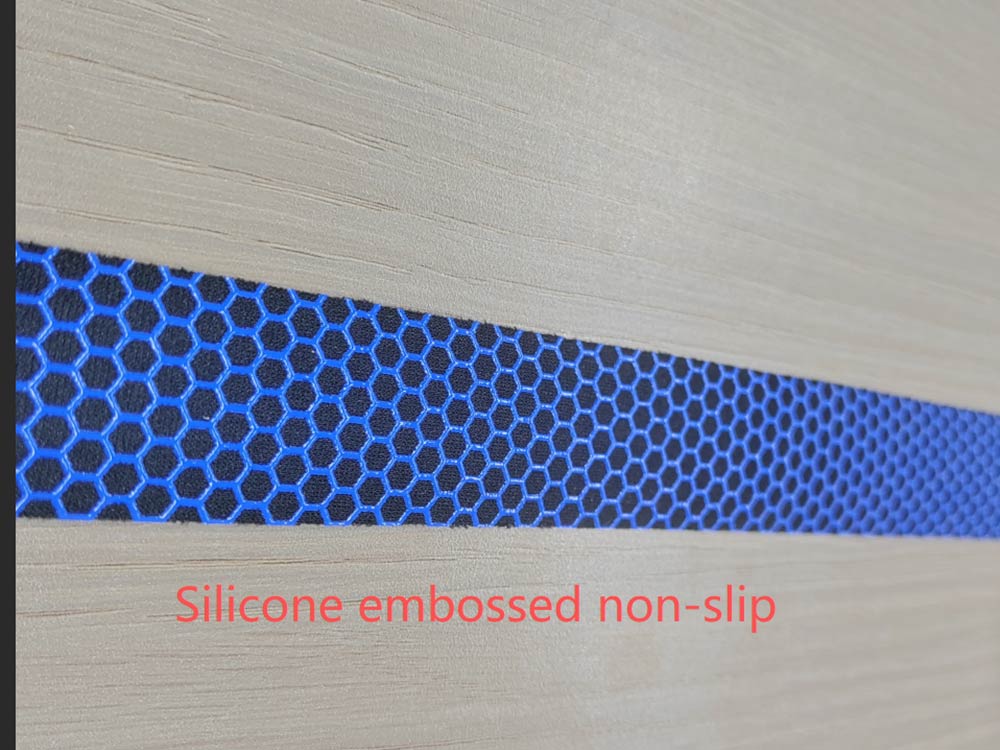
Footwear and Headwear: Used for shoelace decorations (enhancing aesthetics and slip resistance), sock grips (preventing slippage), and brand logos on hats.
Luggage: Suitable for handbags, travel bags, and backpacks (replacing metal tags to reduce weight and avoid scratches), as well as decorative elements, boosting design appeal and brand recognition.
Sports Equipment and Other Fields
Sports Gear: Applicable for sports items (e.g., yoga mat edge labels, protective gear branding) and gloves (palm/fingertip coatings for better grip).
Other Materials: Compatible with ribbons, elastic bands, nylon straps, woven labels, leather, and more, expanding application possibilities.
Ⅲ. Process Parameters and Key Operations: Precision for Quality Results
To achieve optimal transfer results, strict control of process parameters and adherence to standardized methods are essential. Key details include:
| Key Step | Parameters/Operation Guidelines |
| Heat Transfer | Temperature: 150°C–160°C. |
| Time: | 15–20 seconds. |
| Pressure: | Medium, ~3–4 kg. |
| Peel Method: | Cool peel after natural cooling. |
| Post-Processing | Curing: Allow 36 hours before testing (e.g., wash tests). |
| Storage | Conditions: 10°C–35°C, <70% humidity, avoid heat/sunlight. |
Ⅳ.Summary and Selection Advice: Matching Needs Precisely
In summary, silicone raised screen-printed transfer labels are a premium solution combining “3D aesthetics, durability, safety, and efficiency,” effectively enhancing product value. They are particularly ideal for:
High-End Visual Appeal: Products requiring strong dimensionality and layered effects to project a premium image (e.g., luxury apparel, designer bags).
Demanding Durability: Labels needing to withstand stretching, friction, or frequent washing (e.g., sportswear, outdoor gear, workwear).
High-Safety Products: Items in direct skin contact with strict safety standards (e.g., children’s wear, infant products, underwear), where certified silicone labels ensure compliance and safety.
We hope this overview helps you fully understand silicone raised screen-printed transfer labels. For specific product categories (e.g., children’s wear design, custom sports backpacks) or application scenarios, feel free to share details for tailored recommendations.