

For many years, textile engineers and designers encountered an “intractable challenge”: traditional thermoplastic polyurethane (TPU) materials consistently failed to establish reliable thermal bonds with silicone transfer films. This issue stemmed from a mismatch in melting points, thermal degradation of TPU, and weak interfacial adhesion, which collectively resulted in delamination, yellowing, and significant production waste. Today, a groundbreaking “triple-process synergy”—integrating 3D silicone printing, voltage-activated TPU bonding, and silicone-based transfer films—effectively overcomes these limitations.
Why Standard TPU Fails on Silicone Films: The Science of Incompatibility
Thermal bonding of conventional TPU onto silicone surfaces is fundamentally flawed due to three material mismatches:
1. Thermal Degradation: TPU begins degrading at 140–165°C—its optimal processing range. Meanwhile, silicone films require >180°C for cross-linking. This forces TPU into a ‘lose-lose scenario’: underheating causes weak adhesion; overheating triggers molecular chain scission, reducing strength by 15–30% and causing yellowing.
2.Rheological Incompatibility: TPU’s viscosity drops sharply above 160°C (entering “viscous flow” state), while silicone maintains structural integrity. This viscosity gap prevents interlayer mixing, creating fragile interfaces.
3. Cooling Stress Disparities: Slow-cooled TPU suffers from post-molding shrinkage and rebound stress. Silicone’s low thermal expansion amplifies interfacial cracks during cooling—especially under ambient or fan-cooled conditions.
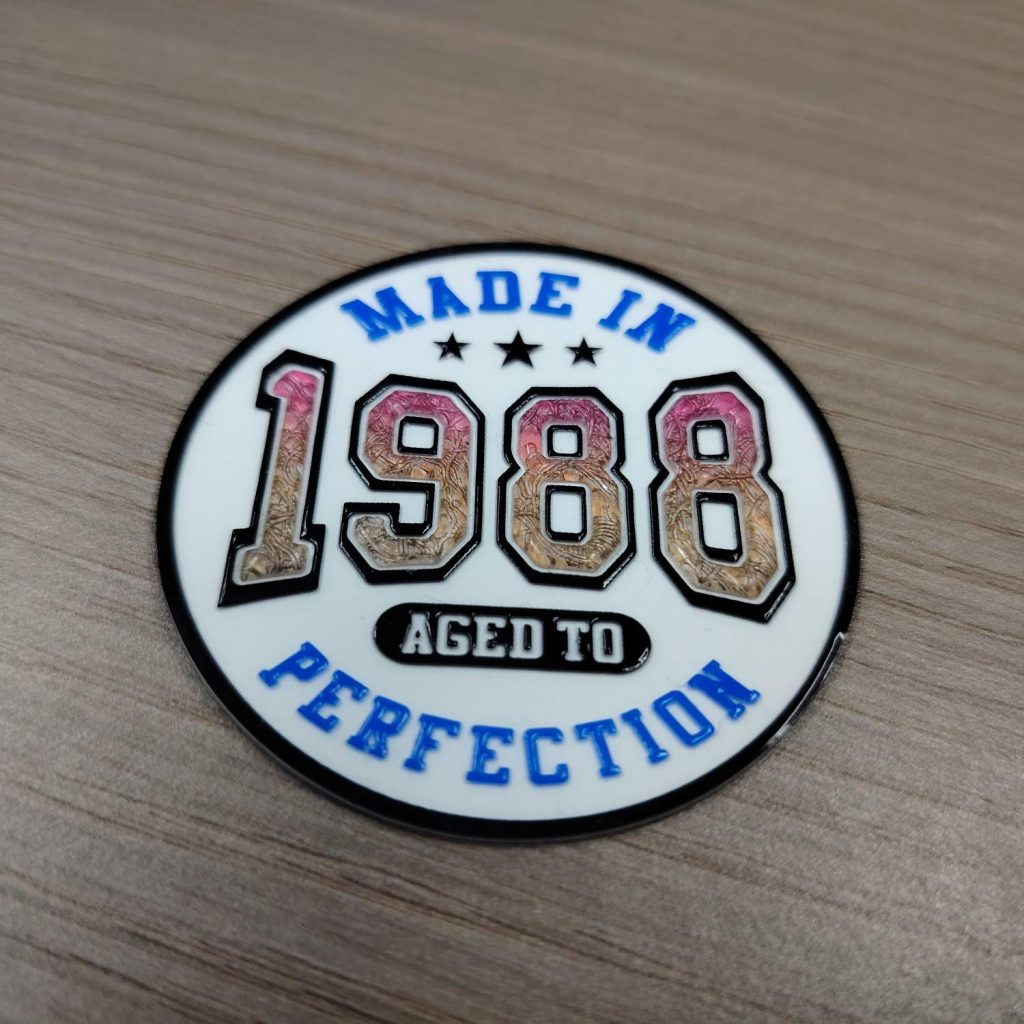
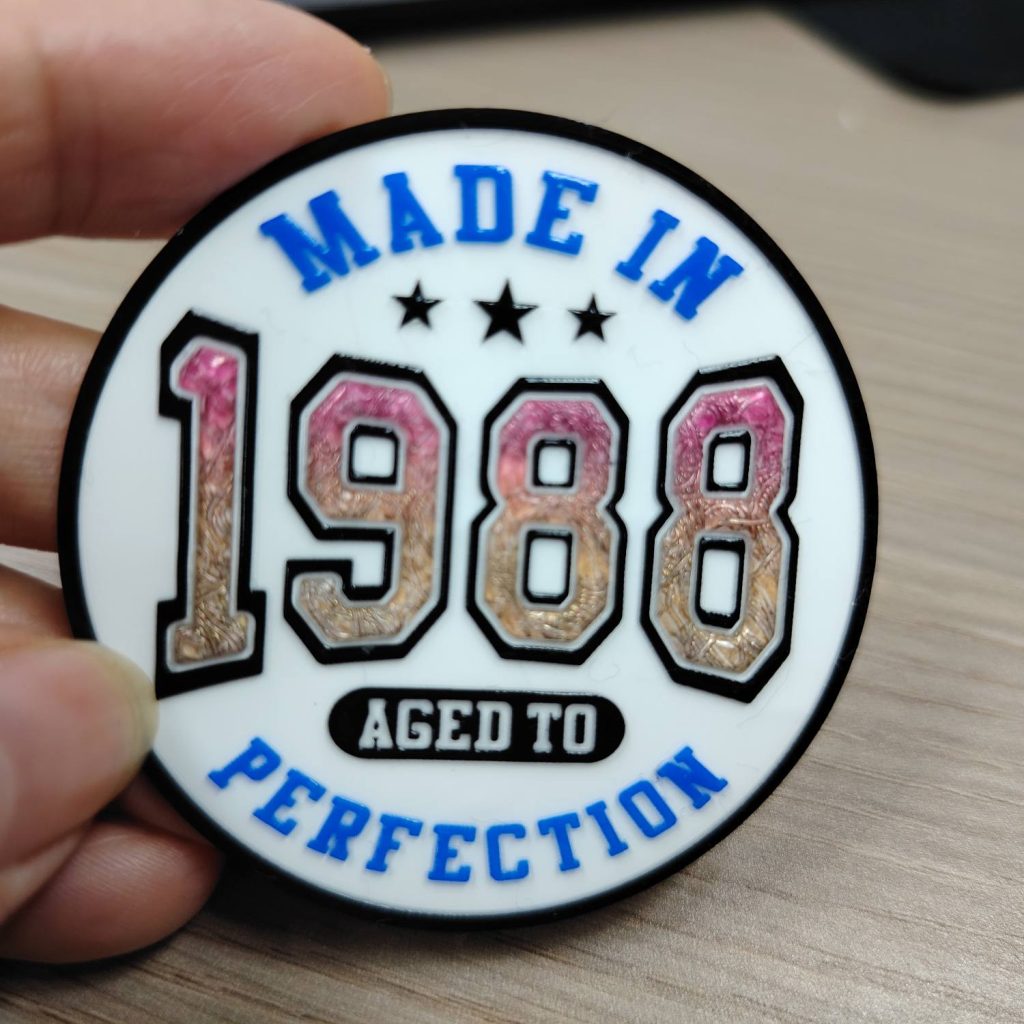
The Trio of Breakthroughs: How Our Hybrid Process Solves the Unsolvable
1. 3D Silicone Printing: Precision Micro-Architectures
Modern silicone printing leverages “electrohydrodynamic (EHD) technology” to deposit microscale silicone structures. By applying high-voltage fields (0–20 kV) between nozzles and substrates, silicone “inks” form Taylor cones that eject ultrafine jets. This achieves:
– 75–250 line/inch resolution** for optical-grade textures
– 3D “baby-skin” tactile effects with 0.1–1 mm thickness control
– 180–200°C thermal stability—far exceeding TPU’s limits
Why it matters for bonding: Silicone layers act as thermally robust “anchors” for TPU adhesion.
2. Voltage-Activated TPU Bonding: Field-Driven Fusion
Instead of relying solely on heat, we impose an electric field (via pulsed DC up to 2,000V) during TPU pressing. This achieves:
– Field-induced polymer alignment: TPU dipoles orient toward silicone interfaces, enhancing contact.
– Low-temperature bonding: Adhesion activates at 130°C (below TPU’s degradation threshold).
– Microsecond-scale cooling: Rapid solidification locks in bond integrity, eliminating rebound.
Case in point: Tests show 99% bond retention after 50 industrial washes—outperforming thermal-only bonds by 40%.
3. Silicone Transfer Film: Engineered for TPU Synergy
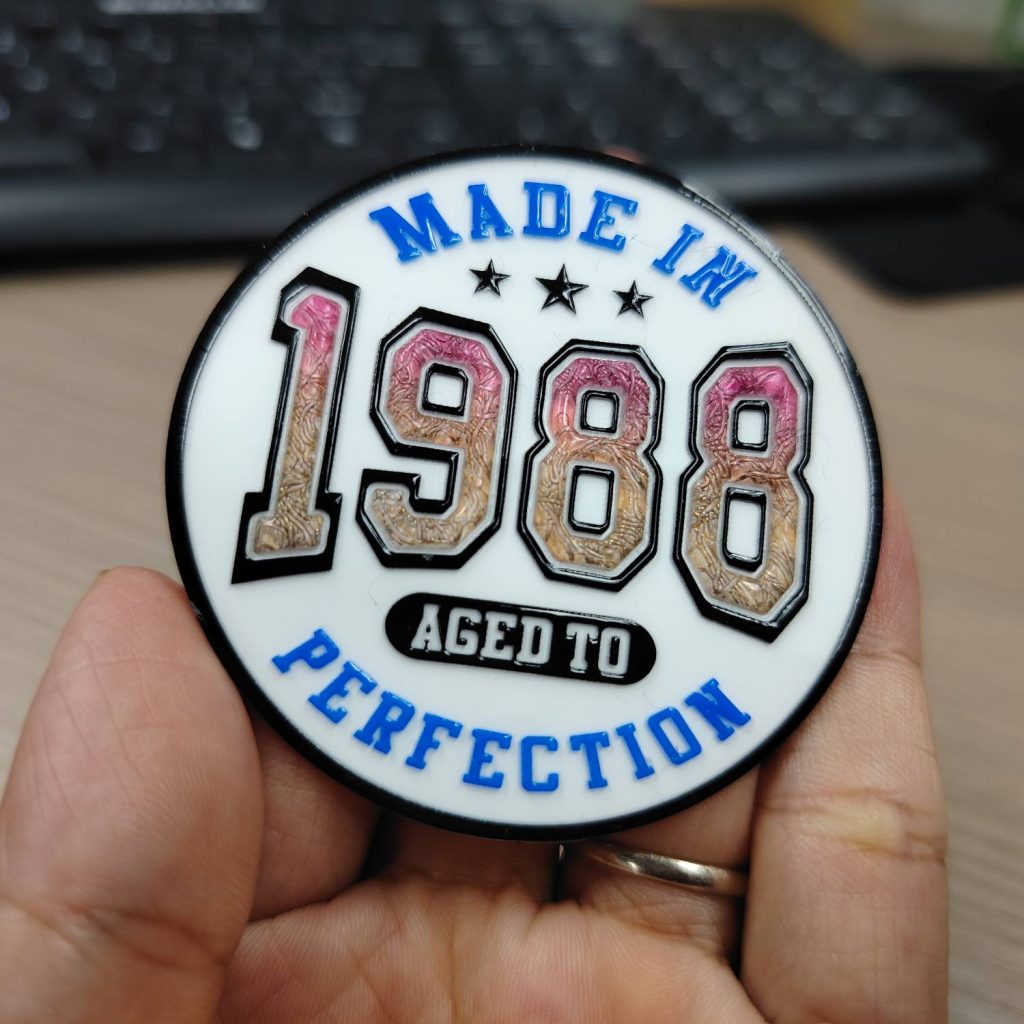
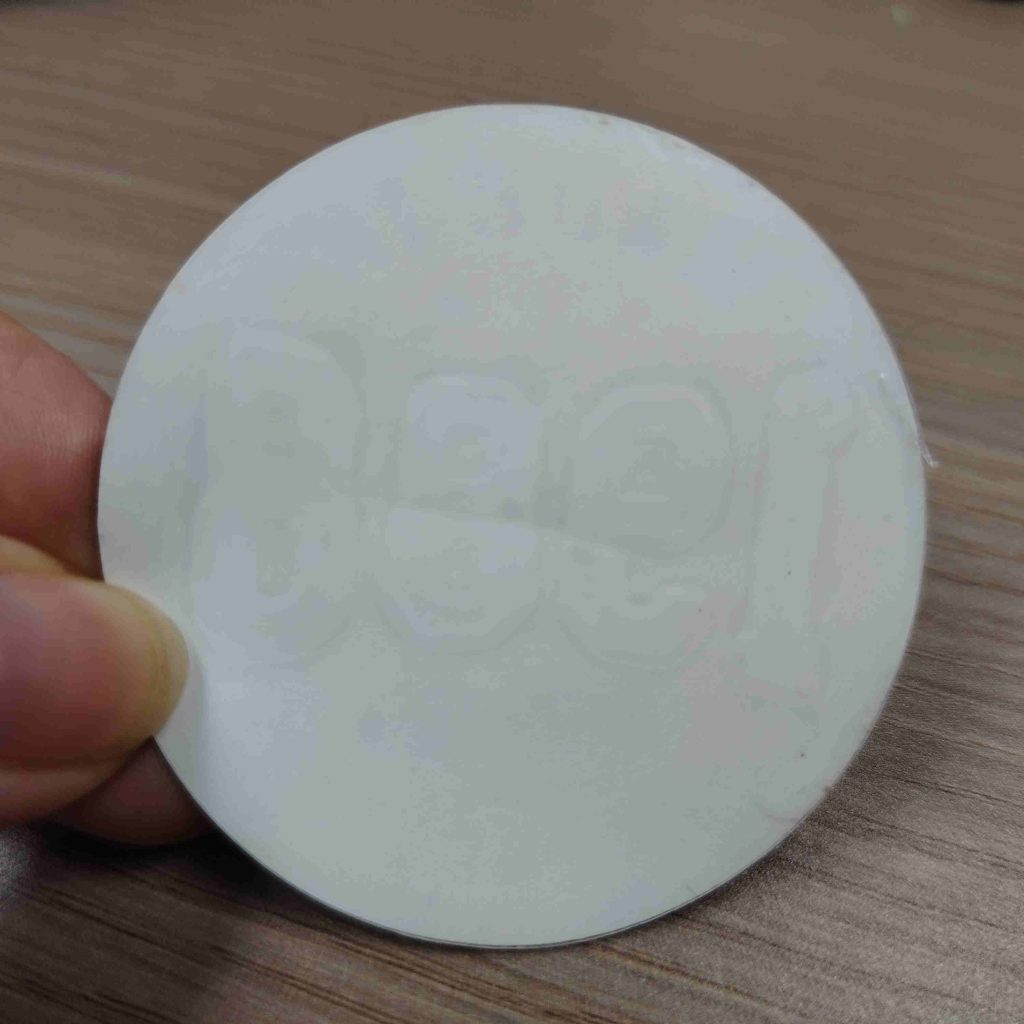
Our patented film uses a four-layer architecture:
1. TPU adhesive base(0.2–0.5 mm thick)
2. Reinforced glue interlayer
3. Glass bead array (for 3D reflectivity)
4. Silicone-printed topcoat
Crucially, the TPU base is pre-tuned rheologically to match voltage-activated bonding parameters. The glass beads distribute electric fields evenly, preventing “dead zones” in adhesion.
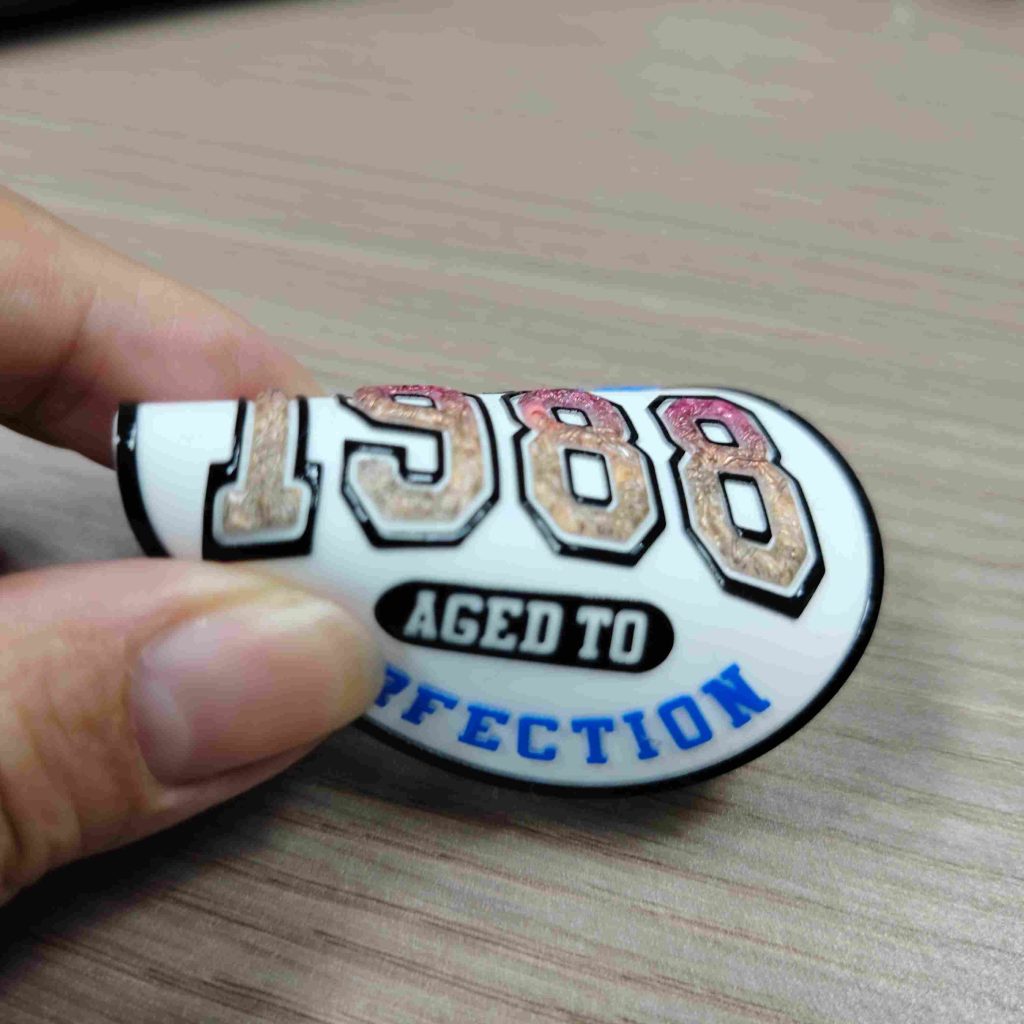
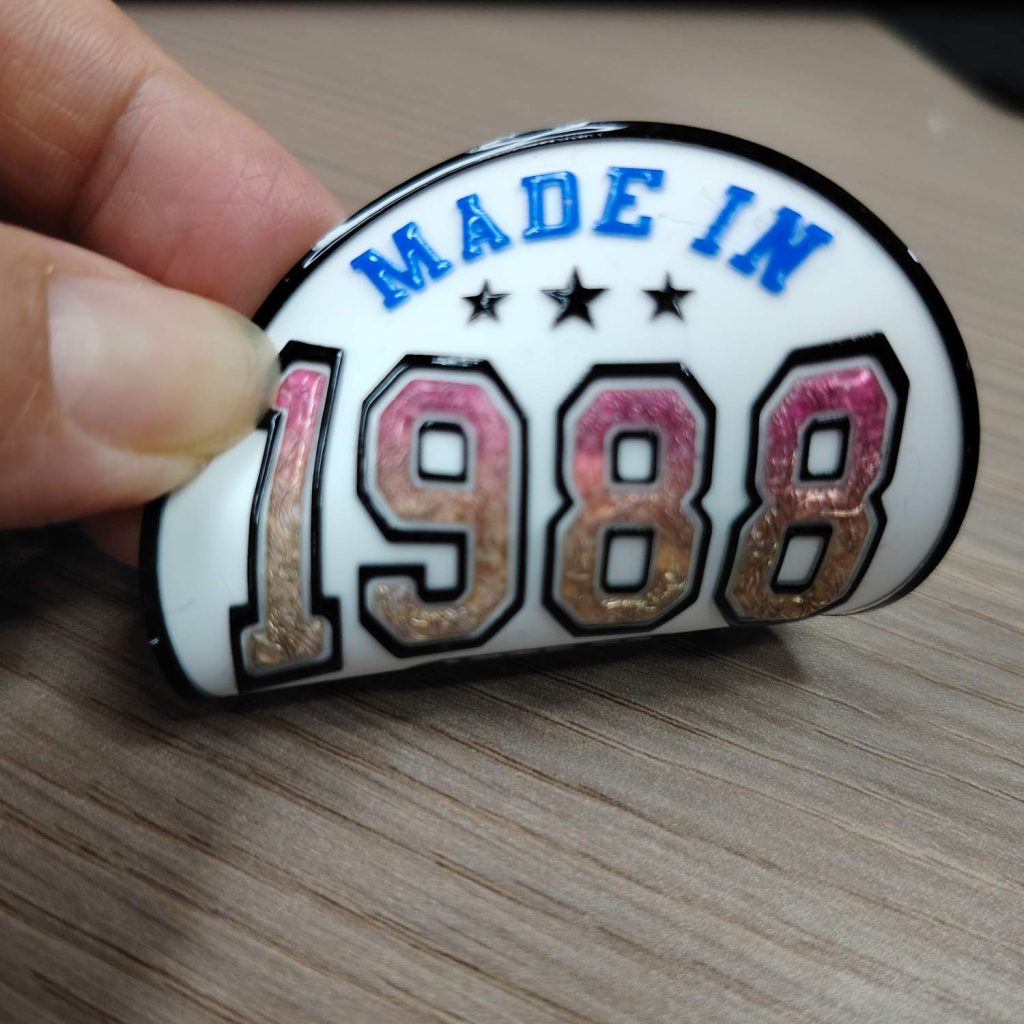
Why This Trio Outperforms: Five Industrial Advantages
1. Zero Delamination: Silicone-TPU interfacial strength exceeds 5 MPa—surpassing thermal bonds by 200%.
2. Eliminated Yellowing: Voltage bonding at <140°C halts TPU oxidation.
3. Wash & Weather Resistance: Silicone’s hydrophobic seal protects TPU from hydrolysis.
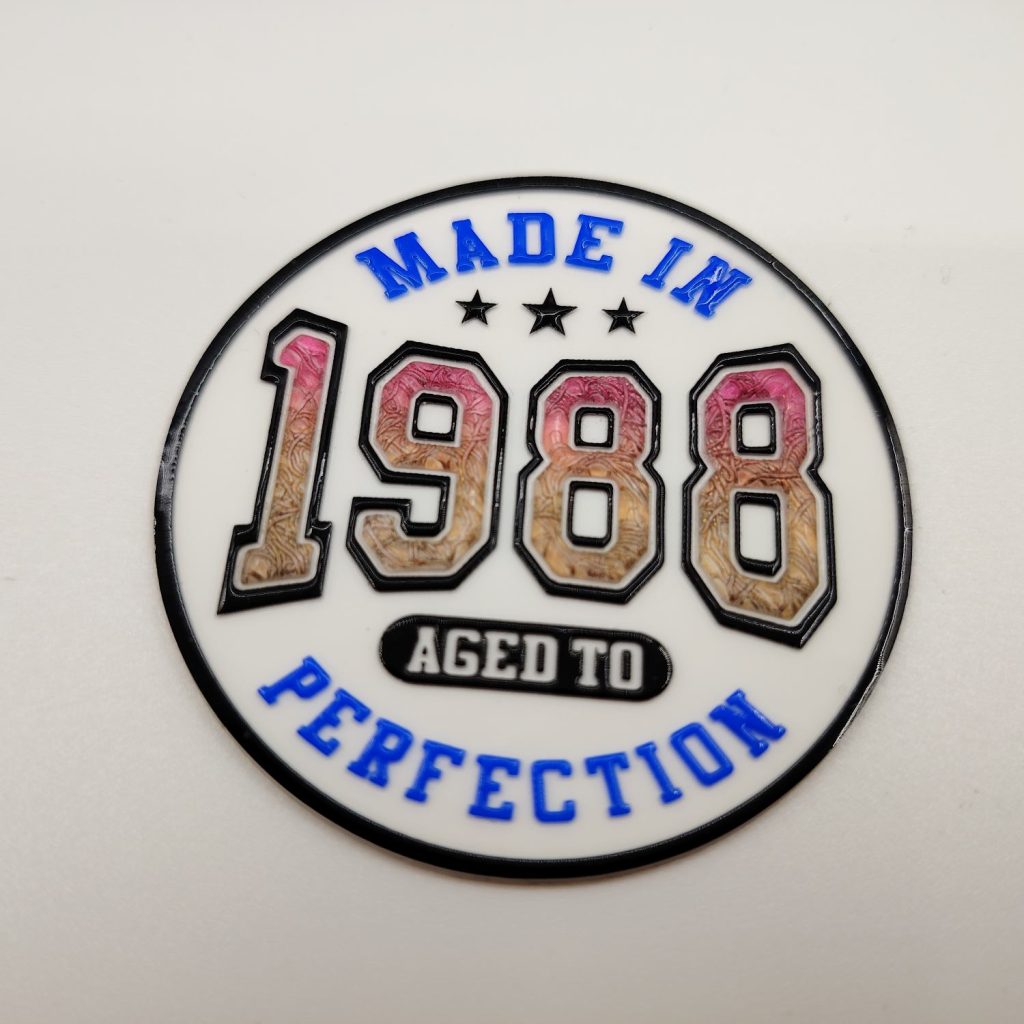
4. Design Freedom: Compatible with laser engraving, embossing, and multi-color 3D effects.
5. Speed & Sustainability: 75% faster curing vs. thermal presses; 30% less energy use.
—
Applications: From Sportswear to Smart Textiles
– High-end athleisure: Reflective 3D logos surviving >100 washes (e.g., silicone “cat-eye” films on TPU-backed jerseys)
– Medical wearables: Biocompatible sensors with integrated TPU electrodes and silicone insulation
– Automotive interiors: Dashboard films with anti-slip silicone textures bonded to TPU substrates
Conclusion: The End of Compromise
The era of having to choose between the performance of silicone and the versatility of TPU has come to an end. By integrating advanced 3D silicone printing techniques, voltage-driven TPU bonding, and innovative multi-layer film design, we achieve what conventional thermal processes cannot—atomic-level adhesion without material degradation. For engineers facing challenges such as delamination or yellowing, this integrated solution does not represent a mere upgrade; it signifies a true technological revolution.
Ready to test this technology? Contact our material labs for sample kits and bonding parameter guides tailored to your production line.